
Customer challenges
01
General trucks cannot carry DG cargo
02
Driver and vehicle qualification is strict
03
Pickup, warehouse, and port windows must align
Solutions
Coordinate qualified DG vehicles to move cargo safely from factories, warehouses, or supervised areas to ports or designated DG warehouses.
Arrange DG trucking service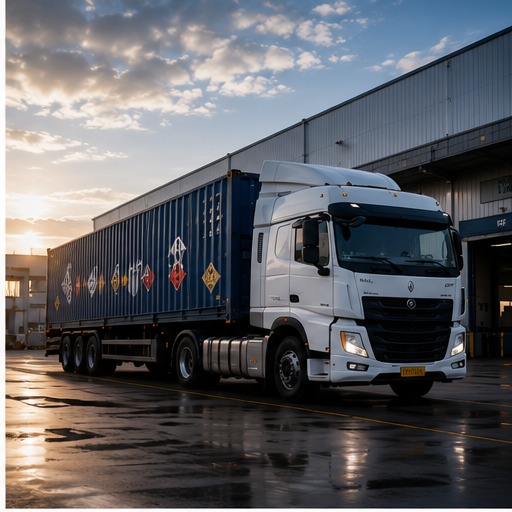
General trucks cannot carry DG cargo
Driver and vehicle qualification is strict
Pickup, warehouse, and port windows must align
Arrange suitable trucking resources according to UN number, class, and loading needs.
Keep the pickup plan aligned with factory and warehouse operating windows.
Make trucking part of the full export operation rather than an isolated move.
Follow key milestones and communicate quickly when timing or document issues appear.
Service scope
Provide cargo name, UN number, class, package, and pickup details.
Confirm whether the cargo and packaging are suitable for DG trucking.
Arrange vehicle resources according to cargo and site requirements.
Coordinate factory, warehouse, and driver schedules.
Keep trucking aligned with export operation milestones.
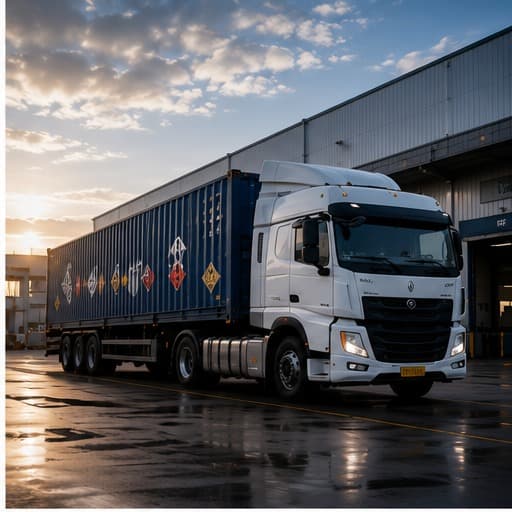
Before execution, VCEN checks key information across cargo, documents, packaging, and operation requirements.
The key is keeping cargo information consistent across booking, declaration, customs, and transport steps.
VCEN integrates specialized dangerous goods transport resources to provide safe, compliant, and efficient road transport support.
Coordinate suitable road transport resources for regulated dangerous goods shipments.
Connect transport execution with qualified personnel and operation requirements.
Support transport timing and port-side procedures with practical DG operation experience.
Manage key milestones from pickup to port entry and exception follow-up.
FAQ
These questions help customers confirm documents, timing, and operational requirements before shipment.
No. Dangerous goods should be transported by vehicles and teams that meet the required DG transport conditions.
Cargo class, packaging, pickup location, loading time, warehouse receiving rules, route requirements, and port cut-off can all affect planning.
Cargo name, UN number, hazard class, SDS/MSDS, pickup address, package details, loading time, and delivery location are usually needed.
It depends on cargo type, port requirements, declaration status, warehouse or terminal rules, and the actual vessel schedule.
VCEN will coordinate with the driver, factory, warehouse, and related export steps to adjust the plan where possible.
Need to confirm the cargo plan?
Please provide cargo name, UN number, hazard class, pickup address, loading time, and destination port information. VCEN will suggest a trucking arrangement based on the actual situation.
More complete cargo information helps improve solution accuracy.