
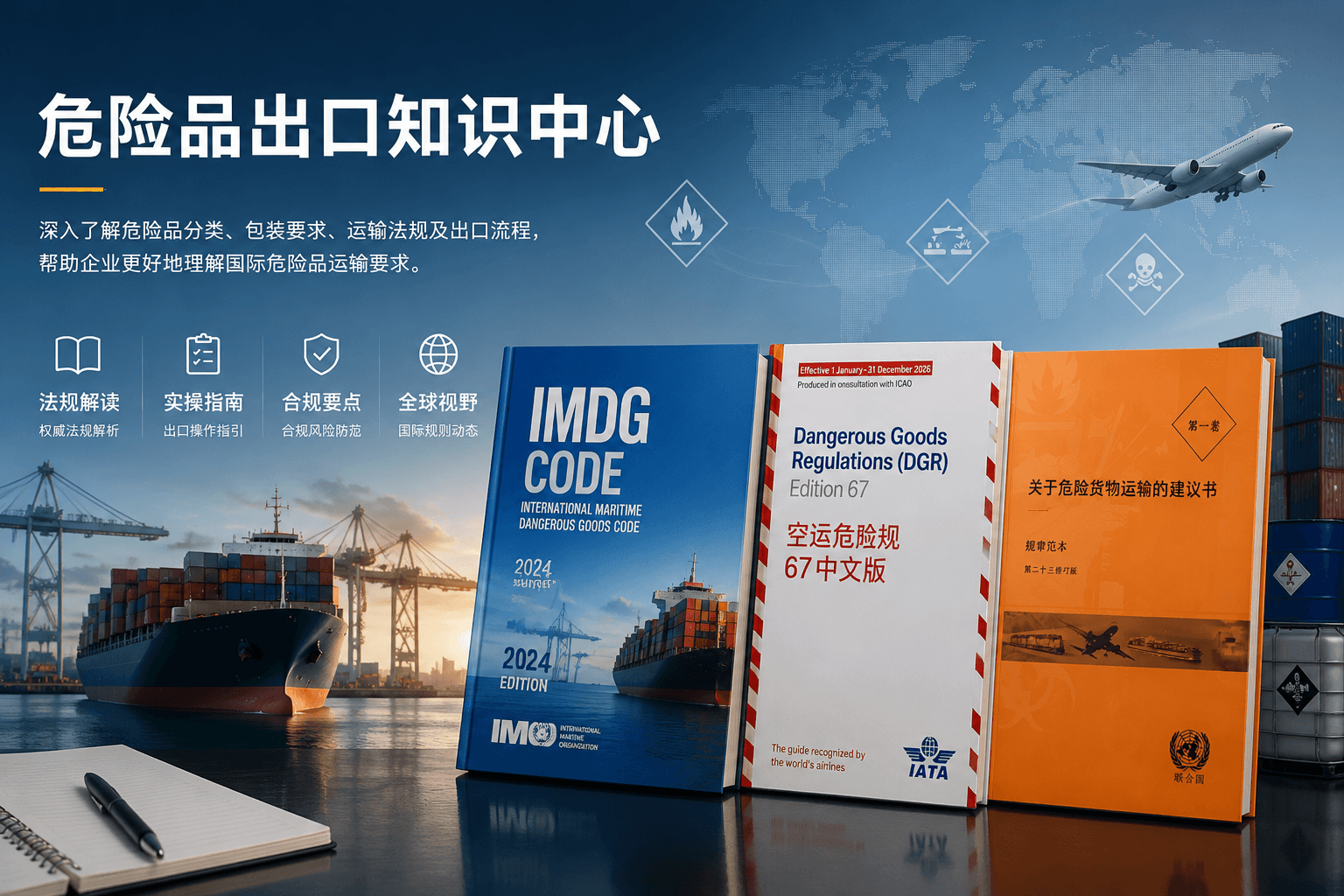
Knowledge Center
Practical dangerous goods shipping knowledge
Understand dangerous goods classification, packaging requirements, transport regulations, and export procedures so your team can prepare shipments with more clarity.
Featured insights
Recommended articles
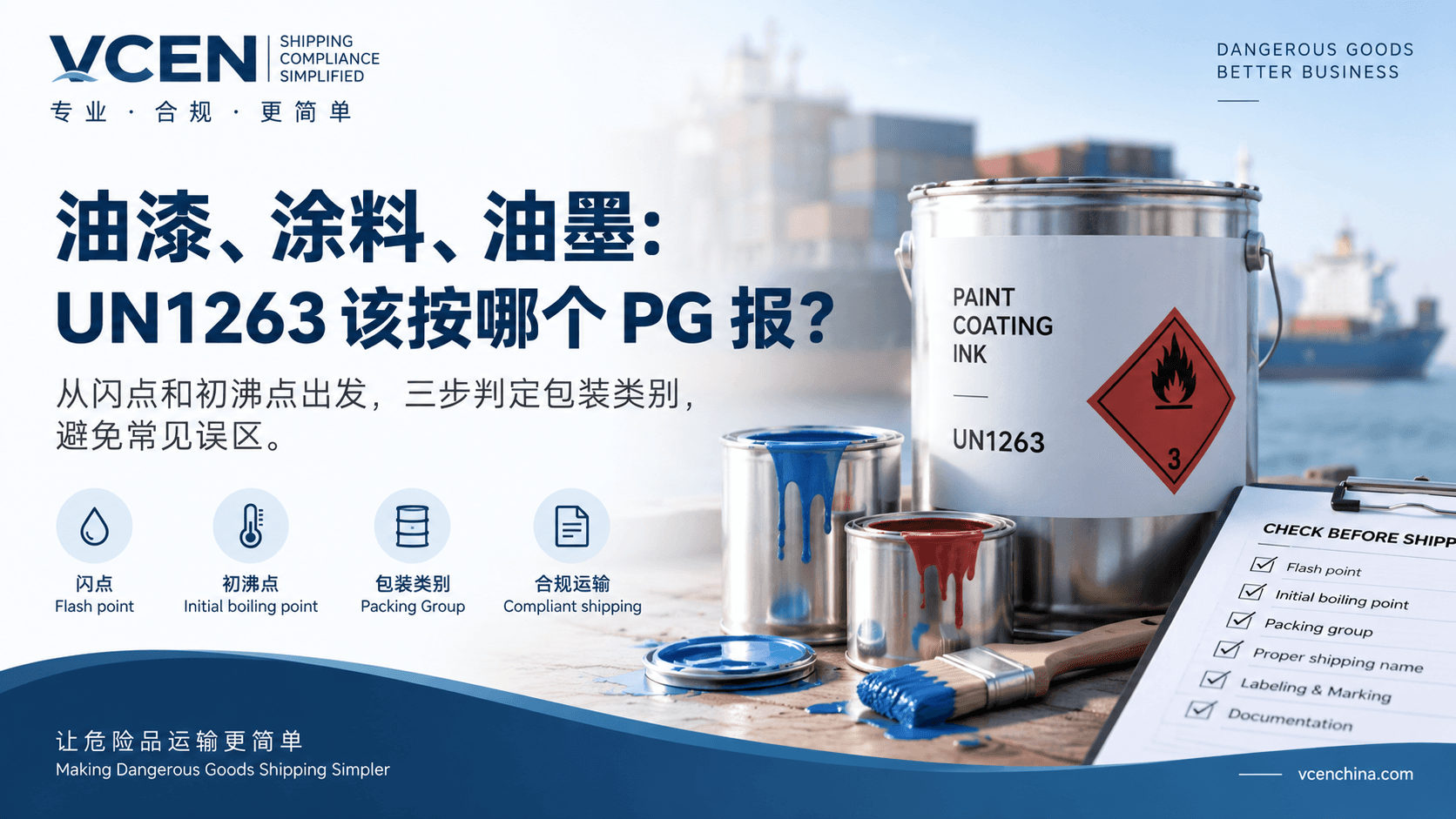
UN1263 Paint, Coating or Ink: Which Packing Group Applies?
A packing group declared too low means packaging below the standard; too high, it costs money and space. This article shows how flash point and boiling point decide the grade.
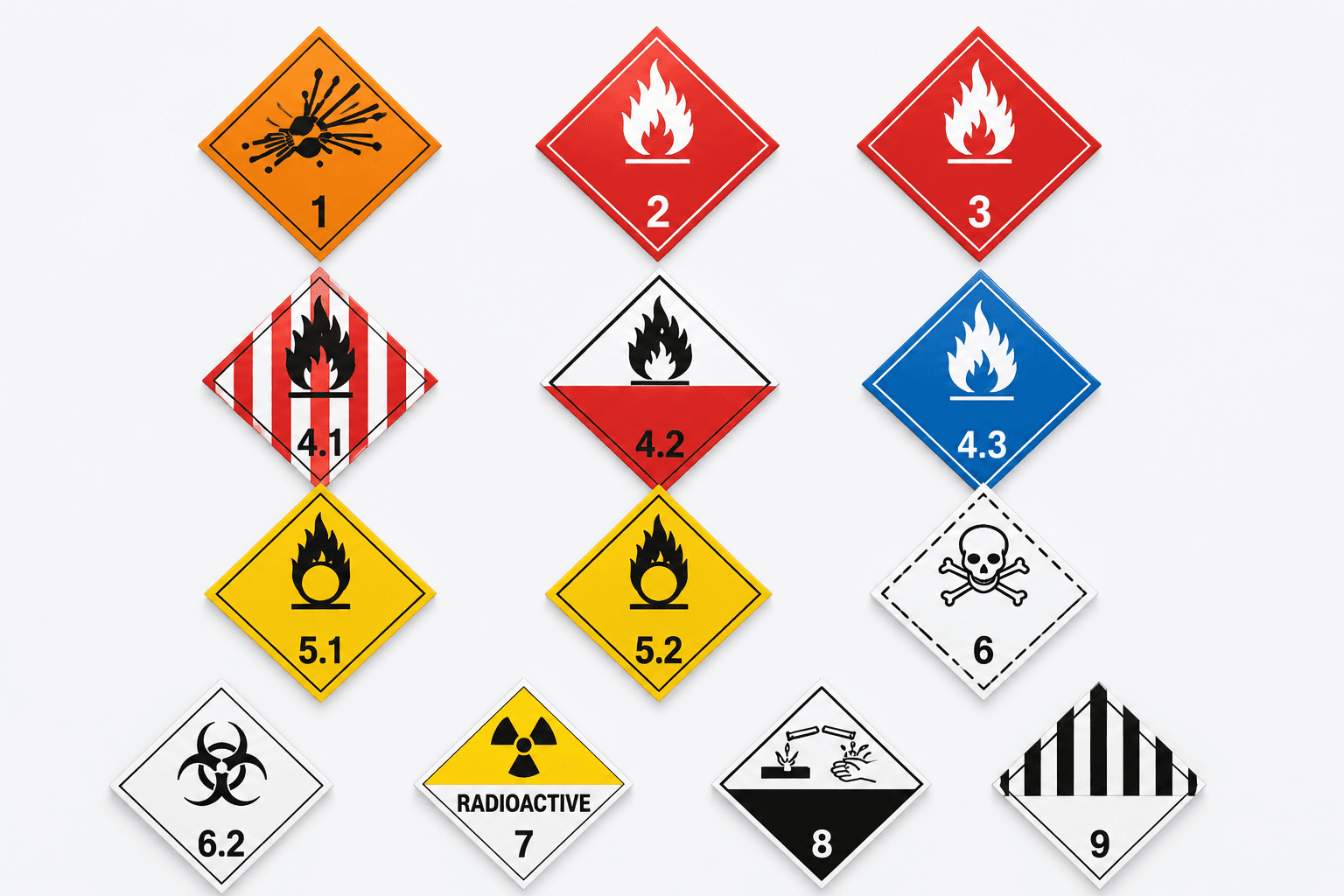
How Are Dangerous Goods Classified? A Practical Guide to the 9 Hazard Classes
This guide explains the 9 IMDG hazard classes from real export scenarios, helping shippers understand how classification affects booking, packaging, declaration, and carrier acceptance.
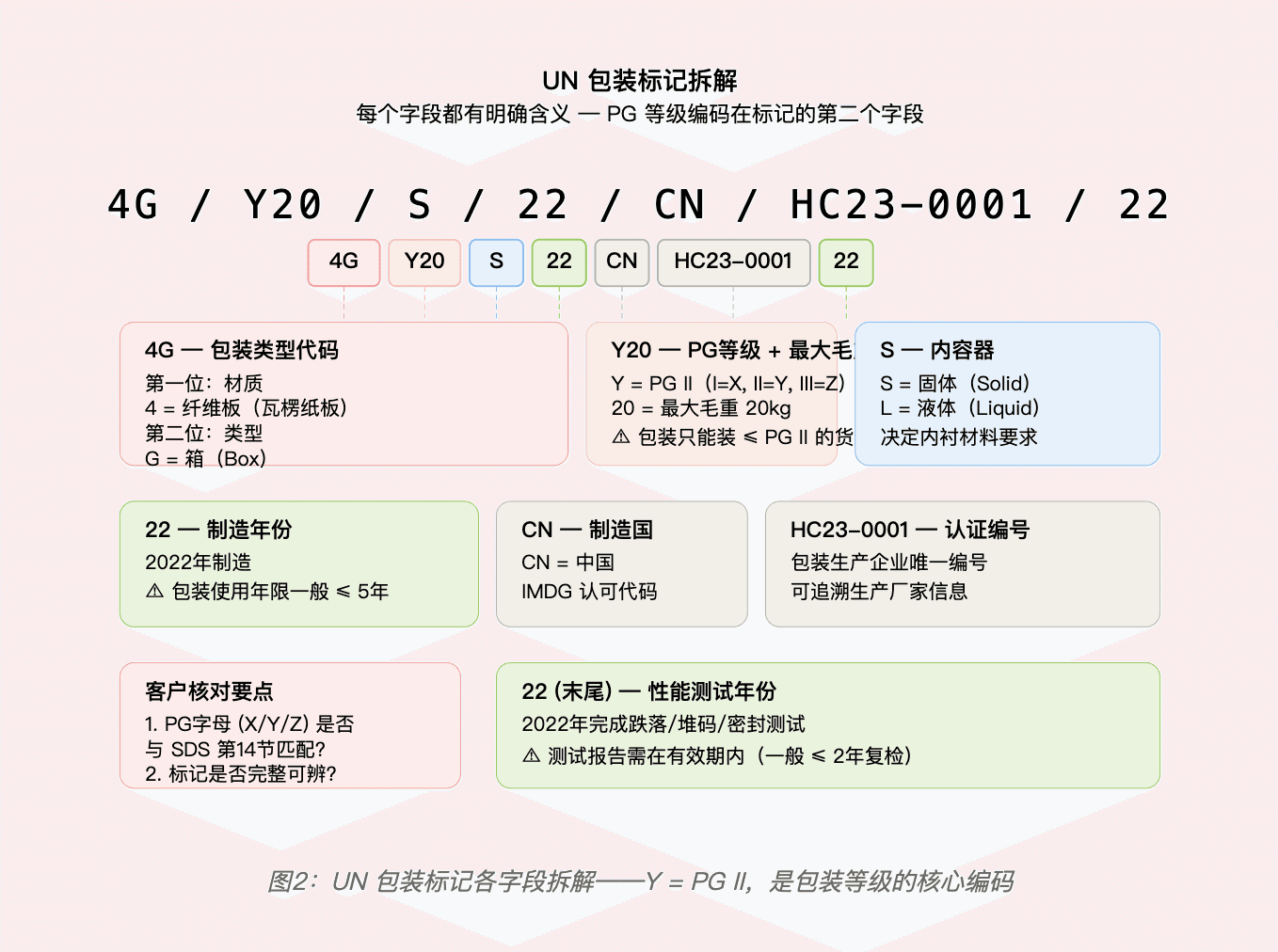
Packing Group Explained: The Overlooked Field in Dangerous Goods Export
This article explains PG I, PG II, and PG III, where the PG comes from, how it appears in UN package marks, and why PG mismatch can lead to rejected cargo or shipment delays.
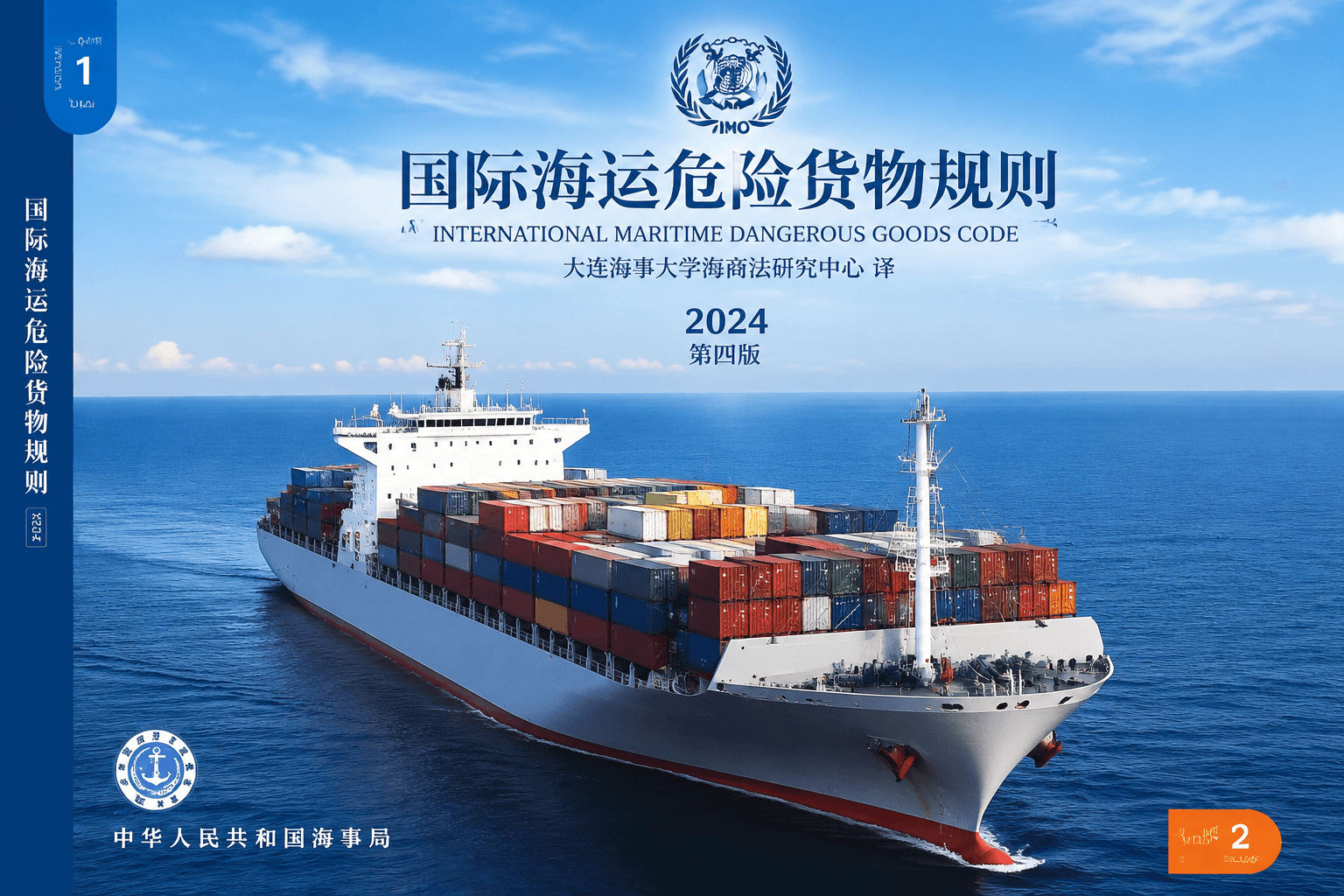
Proper Shipping Name (PSN): Four Things Exporters Must Know
This guide explains what PSN means, where to verify it, how N.O.S. entries work, and why a wrong PSN can lead to booking rejection, document correction, port holds, and destination clearance risk.

Lithium Battery Shipping: What Exporters Should Check First
Lithium battery export risks are often not caused by the cargo being impossible to ship, but by unclear reports, UN numbers, state of charge, packaging, and labels before booking.
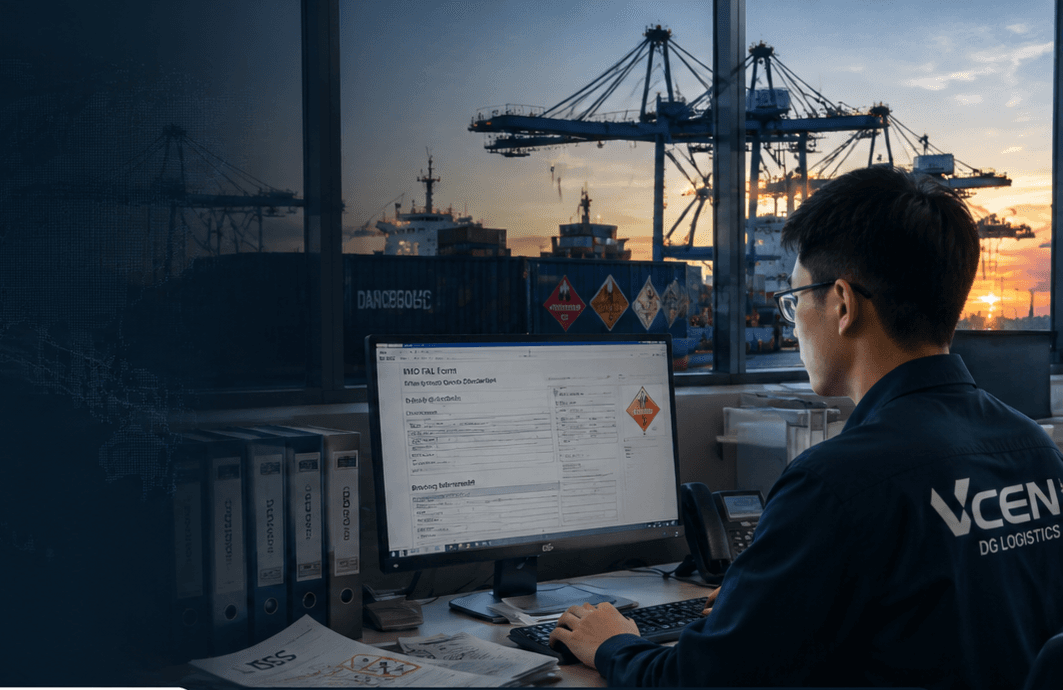
Why SDS/MSDS Review Matters Before DG Export
Most SDS problems can be found before booking. Reviewing Section 14, physical data, version, language, and document consistency early can prevent days of correction later.
IMDG Basics You May Need to Know
Exporters do not need to memorize IMDG Code, but they should understand how the rules affect classification, packaging, labels, segregation, carrier acceptance, and shipment cost.

Why Dangerous Goods Bookings Get Rejected
DG booking is not only about space. It is about matching cargo details with carrier, port, route, and declaration requirements.
Have a DG question not covered here?
Send your SDS/MSDS or cargo details. VCEN can help review the actual transport requirements before shipment planning.