Lithium battery export risks are often not caused by the cargo being impossible to ship, but by unclear reports, UN numbers, state of charge, packaging, and labels before booking.
VCEN note
For dangerous goods export, the answer is rarely based on one document alone. Cargo attributes, packaging, carrier acceptance, port requirements, and declaration documents should be reviewed together before booking.
Why this matters
Lithium battery shipping is one of the most strictly regulated and fastest changing areas in international logistics. Many exporters do not realize their products are regulated as dangerous goods until a booking is rejected, cargo is refused at the warehouse, or the shipment is held at port because one test report is missing, a UN number is wrong, or the battery state of charge does not meet the carrier requirement.
- Lithium battery safety incidents continue to receive close attention under international air and sea transport rules.
- Many carriers have tightened lithium battery acceptance policies in recent years, especially for UN3480, SoC limits, and document review.
- At major export ports in China, non-compliant lithium battery declarations can lead to rejected bookings, cargo holds, or shipment delays.
Common misunderstanding
Exporters may assume that a battery installed in equipment is no longer dangerous goods, that a low watt-hour rating means no test report is required, or that past shipments prove the route is safe. These assumptions can create real export risk. Lithium battery shipping should start with a clear pre-shipment review, not guesswork.
The key point is simple: lithium battery compliance can be complex, but the first review is manageable. If the essential items are checked before booking, most document, packaging, declaration, and loading risks can be reduced early.
What should exporters confirm first?
Check 1: Battery type, lithium ion or lithium metal?
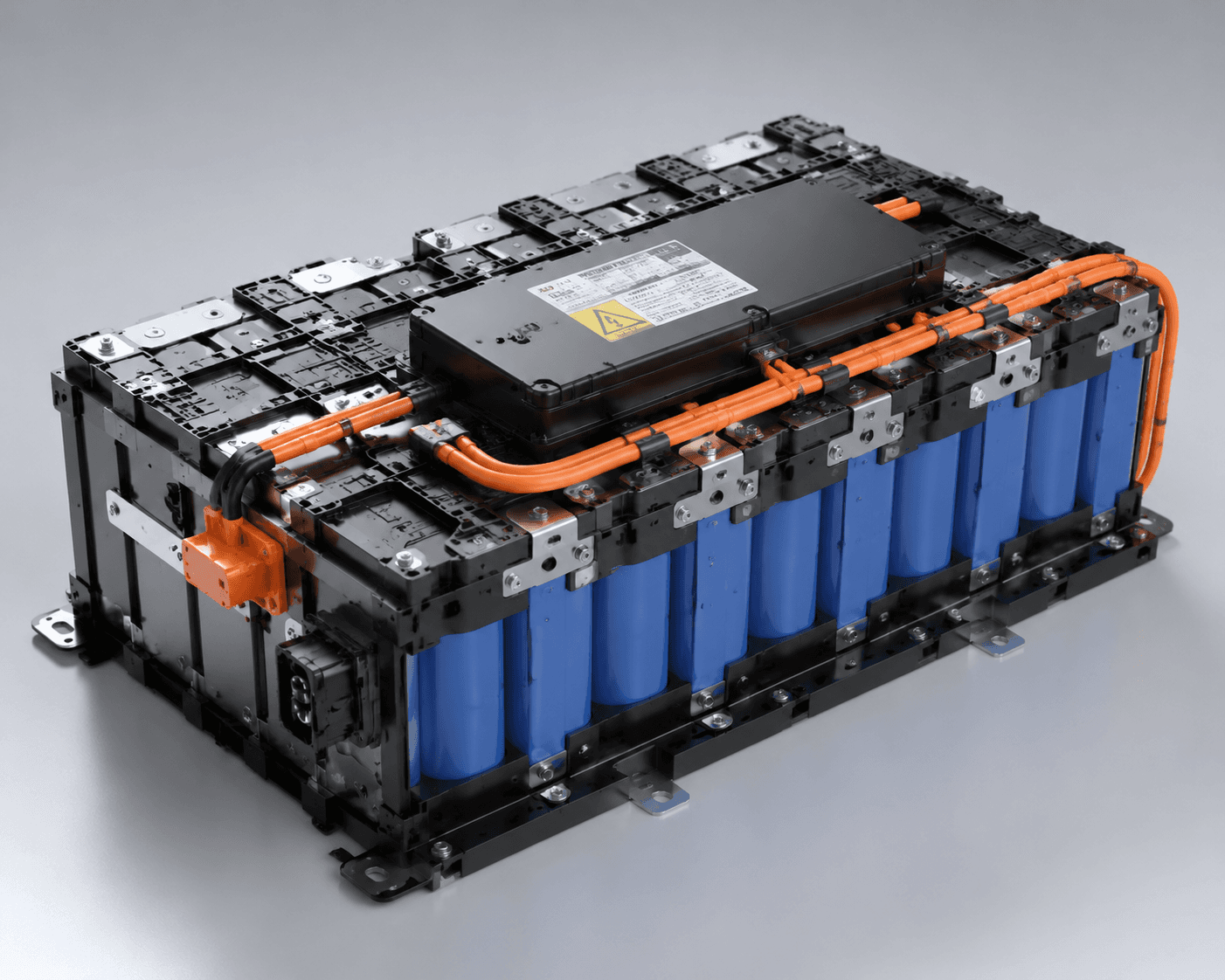
This is the starting point for all later decisions. Exporters often say the cargo is simply a lithium battery, but under IMDG Code and IATA DGR, the first distinction is whether it is a lithium ion battery or a lithium metal battery.
| Type | English name | Typical applications | Key parameter |
|---|---|---|---|
| Lithium ion battery | Lithium Ion Batteries | Mobile phones, laptops, power tools, energy storage batteries, EV batteries | Watt-hour rating (Wh) |
| Lithium metal battery | Lithium Metal Batteries | Coin cells, some industrial sensor batteries, primary lithium batteries | Lithium content (g) |
Important note
If one shipment contains both lithium ion and lithium metal batteries, they should be reviewed, packed, and declared separately. They should not be treated as one generic battery shipment.
Check 2: UN number, 3480 or 3481? 3090 or 3091?
The UN number depends on two basic questions: the battery type, and whether the battery is shipped alone, packed with equipment, or contained in equipment.
| UN number | Meaning | Transport condition |
|---|---|---|
| UN3480 | Lithium ion batteries shipped alone | Full dangerous goods rules apply; usually the strictest scenario |
| UN3481 | Lithium ion batteries packed with equipment or contained in equipment | Some simplified provisions may apply if conditions are met |
| UN3090 | Lithium metal batteries shipped alone | Full dangerous goods rules apply; usually the strictest scenario |
| UN3091 | Lithium metal batteries packed with equipment or contained in equipment | Some simplified provisions may apply if conditions are met |
- If batteries are installed in equipment but declared as UN3480, the shipment may be treated more strictly than necessary and may even be rejected by some carriers.
- If batteries are packed with equipment but not installed in the equipment, declaring them as contained in equipment can make the transport description inaccurate.
Check 3: UN38.3 test report, is it available and applicable?
Without a valid and applicable UN38.3 test report, lithium battery export is difficult to move forward. The question is not only whether a report exists, but whether it truly applies to the actual goods being shipped.
- Does the report model match the actual battery model being shipped?
- Is the report still applicable to the current design, chemistry, and production process?
- Does the drop test or packaging validation cover the actual packaging method?
- Are the report format and test summary suitable for sea or air transport requirements?
Check 4: State of charge, how much power is in the battery?
State of charge, or SoC, has become a much more important shipping control point. For air transport, UN3480 lithium ion batteries shipped alone are generally limited to 30% SoC, and some airlines may apply stricter limits. For sea transport, major carriers are also increasingly applying SoC requirements for standalone lithium batteries.
Operational reminder
Batteries often leave the factory close to full charge. If the shipment must move as dangerous goods, discharge planning should be arranged before loading. Waiting until container loading to check SoC can easily delay the sailing schedule.
Check 5: Is the packaging suitable for transport?
Lithium battery packaging cannot be judged only by whether it looks strong. For sea transport, the packaging should be reviewed against the relevant IMDG Code packing instructions, such as P903 where applicable.
- Inner packaging should protect each cell or battery against short circuit.
- Outer packaging should be strong enough and meet the relevant drop test or packaging requirements.
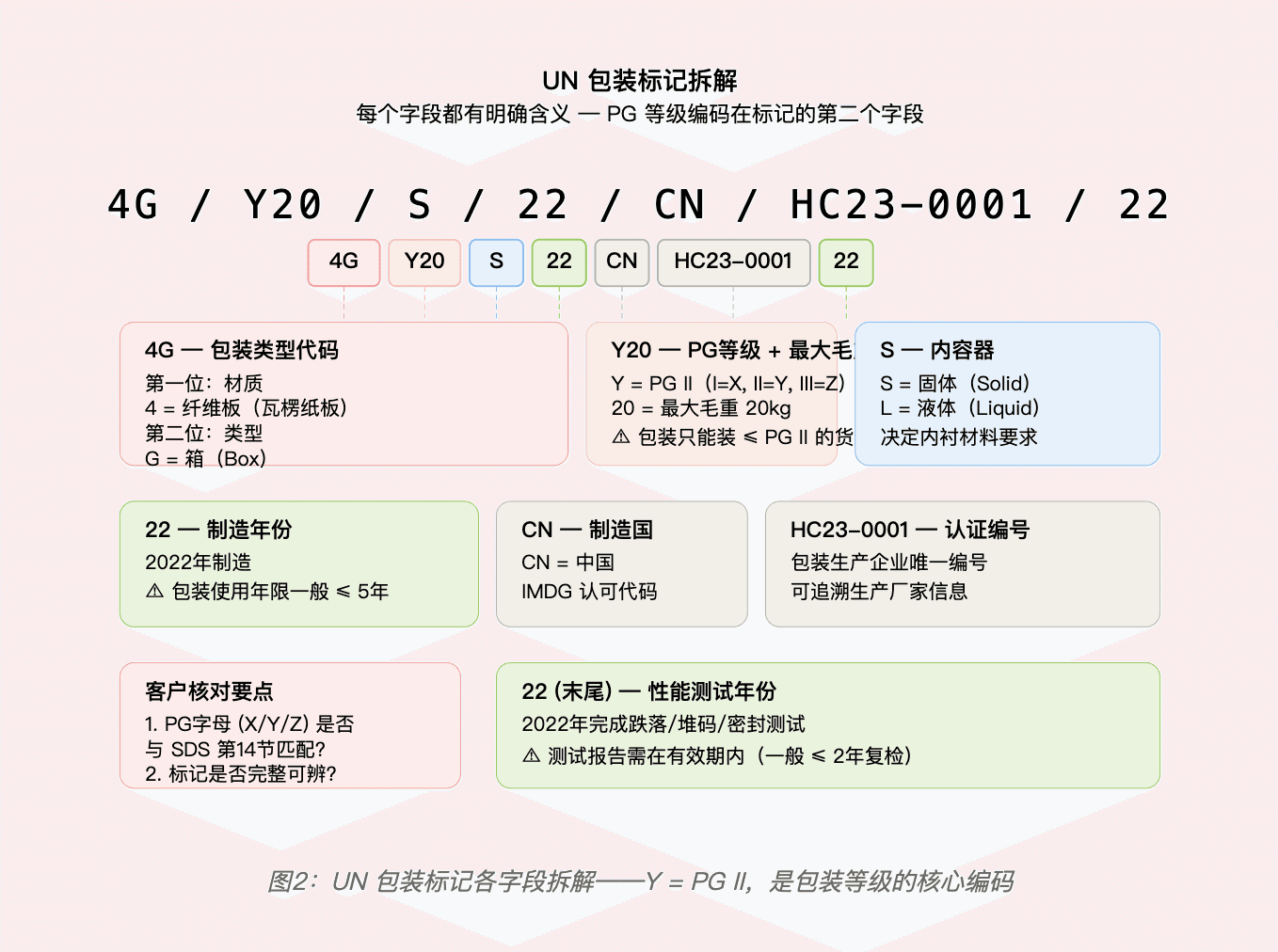
- For full dangerous goods transport, UN specification packaging and proper UN markings may be required.
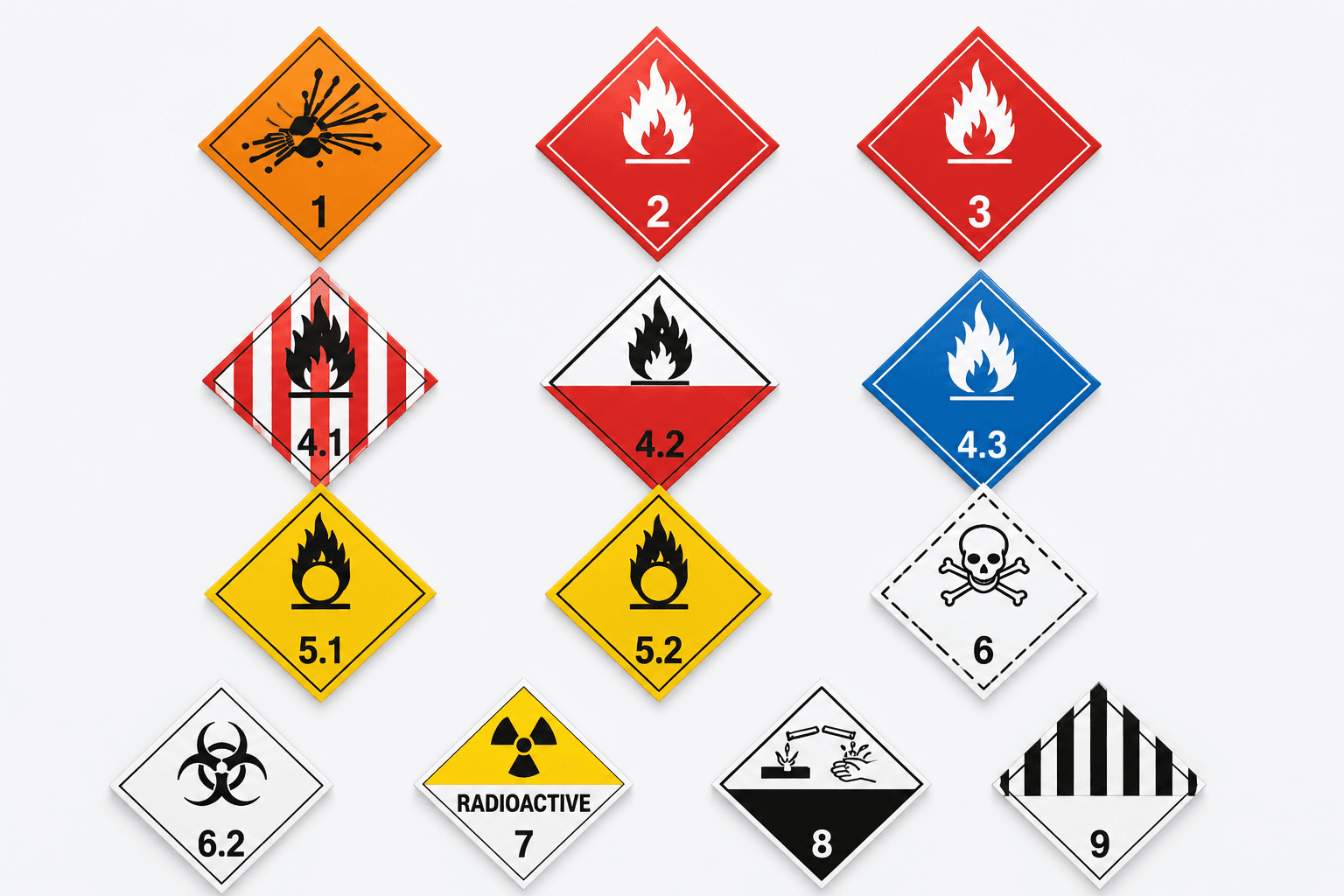
- Outer packages should carry the required lithium battery mark and/or Class 9 dangerous goods label when applicable.
Common export issues and practical suggestions
Pre-shipment self-check list
- Is the battery lithium ion or lithium metal? What is the Wh rating or lithium content?
- Is the battery shipped alone, packed with equipment, or contained in equipment? What is the correct UN number?
- Does the UN38.3 report cover every battery model in the shipment?
- Has the battery state of charge been adjusted according to carrier or airline requirements?
- Does the packaging meet the required short-circuit protection, strong outer packaging, and labeling requirements?
- Does the SDS/MSDS cover all battery models being shipped?
- Is the weight of each package within the applicable limit?
- Are there damaged, defective, waste, prototype, or sample batteries that require separate review?
How VCEN helps
The difficulty of lithium battery export is not only the regulation itself. The real challenge is that carrier policies differ, rules change, and small operational details can affect the entire shipment. VCEN helps connect classification, documents, packaging, booking, declaration, and loading into one practical export path.
- Classification and UN number review: review the battery specification, product form, and shipment method to determine the proper shipping description and UN number.
- UN38.3 report review: check model coverage, report version, key test information, laboratory information, and consistency with the actual cargo.
- Carrier policy matching: match the battery type, route, SoC, and documents with a carrier and route that can support the shipment.
- Packaging and marking guidance: help review short-circuit protection, outer packaging, lithium battery marks, and Class 9 labels.
- SoC discharge planning: if the battery SoC exceeds the carrier requirement, help plan the discharge and shipment schedule earlier.
- Full-process coordination: follow up key steps from document review to booking, warehousing, trucking, declaration, and vessel loading.
Case reminders
Case 1: Wrong UN number caused the container to miss the planned sailing
An energy storage equipment manufacturer exported lithium ion battery modules and submitted the booking as UN3480. During DG review, the carrier considered the product closer to a battery and equipment integrated system and requested a re-check of the classification. The repeated confirmation took several days, and the shipment missed the original sailing.
Lesson
Modules, battery packs, and BMS-integrated systems may sit in a classification gray area. Product specifications and technical parameters should be reviewed before booking instead of relying on an internal guess.
Case 2: UN38.3 model mismatch led to booking rejection
A consumer electronics exporter shipped power banks using an old UN38.3 report. The actual product had changed to another cell supplier. The carrier compared the SDS/MSDS and the test report, found inconsistent cell information, and rejected the DG booking application.
Lesson
When the cell, battery model, or supplier changes, the previous UN38.3 report may no longer apply. Any BOM-level change should trigger a new review of report applicability.
Case 3: Batteries left the factory fully charged and SoC was checked too late
A power tool manufacturer exported UN3480 lithium ion battery packs. The batteries were close to full charge before loading. During document review, the target carrier required SoC not exceeding 30%, so the customer had to urgently coordinate discharge at the factory, leaving very little time before loading.
Lesson
SoC control is no longer only an air transport issue. More ocean carriers use it as a precondition for receiving lithium battery cargo. Exporters should confirm SoC requirements before production and loading schedules are finalized.
Key points
Before shipment, confirm the battery type, UN number, UN38.3 report, state of charge, and compliant packaging.
A UN38.3 report is not enough by itself. The tested model must match the actual battery being shipped.
SoC limits have become a normal part of lithium battery shipping. Do not wait until loading to check them.
Modules, battery packs, and BMS-integrated systems may require professional review before assigning the UN number.
Lithium battery exports leave little room for guesswork. Misdeclaration, wrong UN numbers, or missing reports can cost far more than compliant handling.