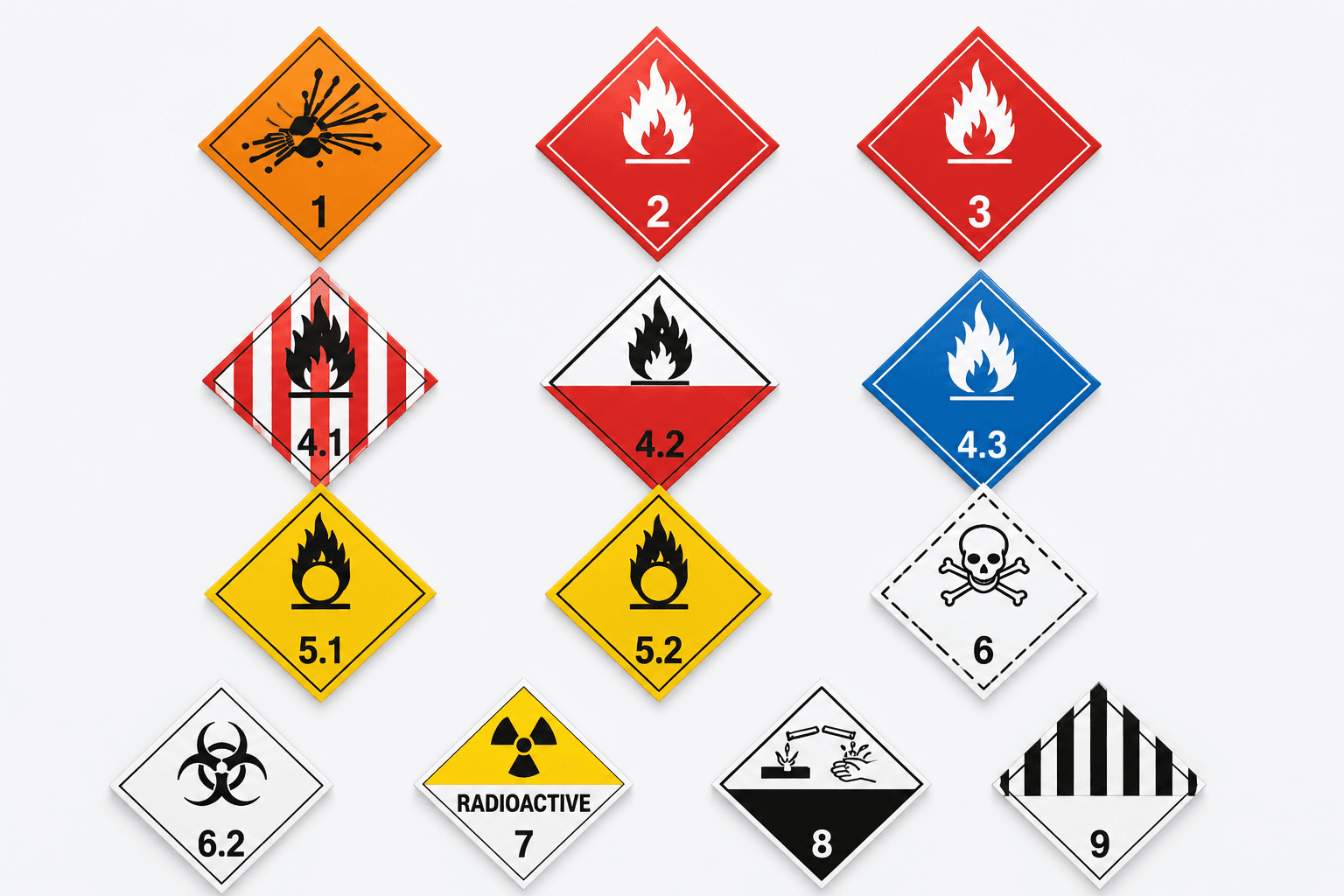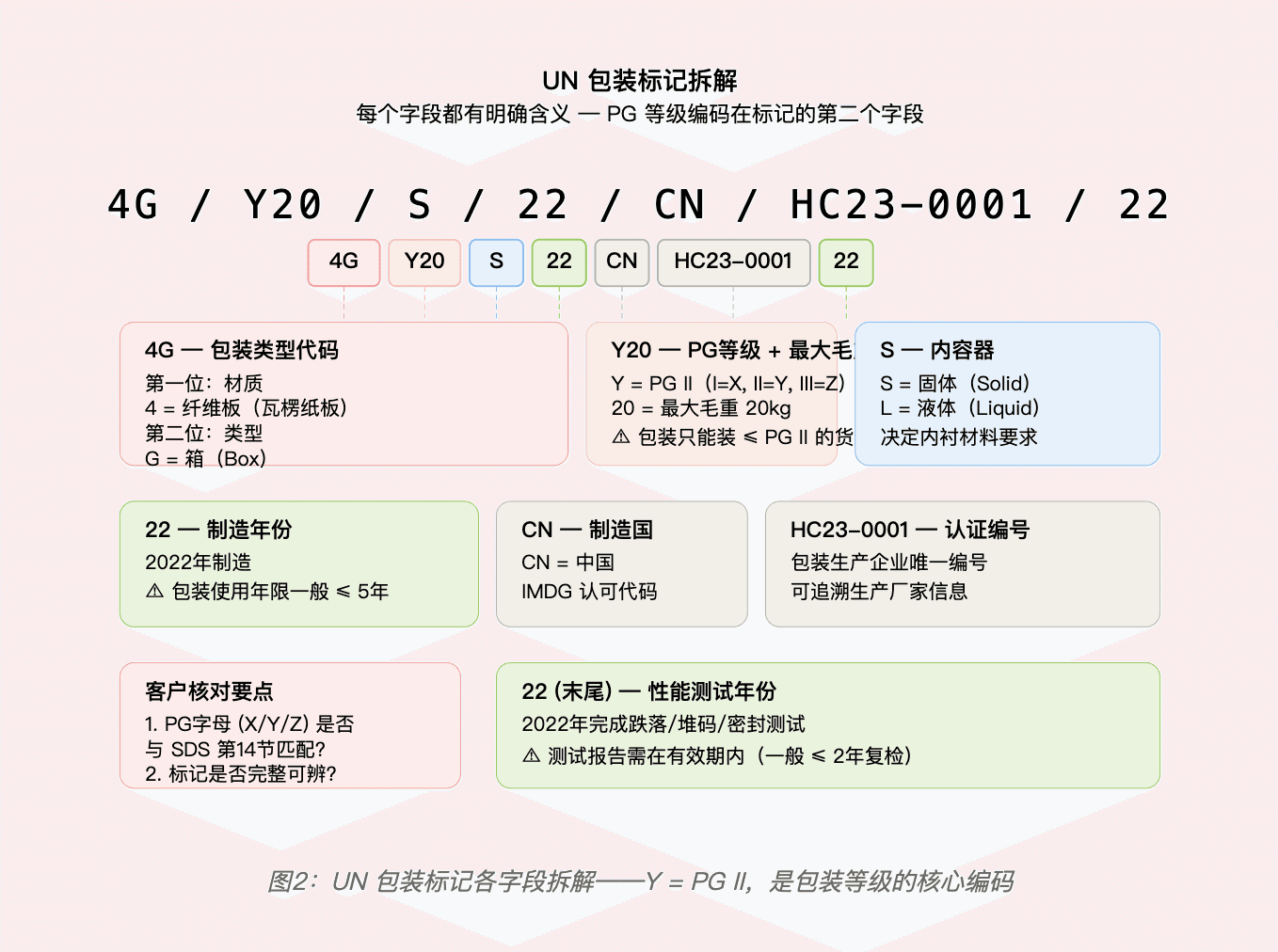
Most SDS problems can be found before booking. Reviewing Section 14, physical data, version, language, and document consistency early can prevent days of correction later.
VCEN note
For dangerous goods export, the answer is rarely based on one document alone. Cargo attributes, packaging, carrier acceptance, port requirements, and declaration documents should be reviewed together before booking.
Why SDS/MSDS review matters
SDS, or Safety Data Sheet, is a standardized document prepared under the GHS system. It contains 16 sections covering composition, hazards, first aid, fire-fighting measures, transport information, regulatory information, and other safety data. MSDS is the older name, but in export practice both terms are often used to refer to the same safety data document.
In dangerous goods export, SDS is not just a technical reference. It is the starting document for transport declaration. Carriers, maritime authorities, customs, warehouses, and forwarders all rely on the transport information in the SDS to decide whether and how the cargo can be shipped.
VCEN observation
Many customers simply forward a PDF from the factory to the forwarder without reviewing it. In actual DG booking work, SDS issues such as outdated versions, missing UN numbers, blank Section 14, or missing English versions are common causes of booking rejection.
The value of SDS review can be summarized in one sentence: one day of review before shipment can prevent many days of correction after rejection.
What should be reviewed in SDS/MSDS?
Core review: Section 14, transport information
Section 14 is the part most directly connected to export logistics. When a carrier or maritime authority reviews a SDS for dangerous goods shipment, Section 14 is usually the first place they check.
| Review field | Why it matters | Common issue |
|---|---|---|
| UN number | Global transport identifier for dangerous goods | Wrong or missing UN number |
| Proper shipping name | Must match booking and declaration documents | Commercial name is used instead of transport name |
| Hazard class / division | Affects stowage, segregation, and carrier acceptance | Sub-risk is missing |
| Packing group | Determines packaging strength and limits | SDS and packaging certificate show different PG |
| Marine pollutant | May require marine pollutant declaration and marking | Field is missing or inconsistent |
| Special provisions | May affect exemptions or additional requirements | Wrong or missing provision references |
Secondary review: Section 9 and Section 2
- Section 9, physical and chemical properties: flash point is critical for Class 3 flammable liquid classification and packing group judgment.
- Section 2, hazard identification: GHS pictograms and signal words help check whether the overall hazard classification is logical.
Key reminder
A reliable SDS should be logically consistent across Section 2, Section 9, and Section 14. If these sections contradict each other, the SDS should be reviewed or revised before booking.
Version and language review
- Version validity: the preparation or revision date should be checked in Section 16. In practice, SDS older than three years may be challenged by carriers.
- Language requirement: for export shipment, the English SDS is normally the primary review document for carriers. A Chinese-only SDS is often not enough.
Common SDS/MSDS problems
- Outdated version: customers may use an old MSDS prepared years ago while current regulations or product formula have changed.
- Blank or incomplete Section 14: without complete transport information, carriers may treat the SDS as unusable for booking.
- One-size-fits-all UN number: different products are sometimes all marked with the same UN number for convenience, which can create misdeclaration risk.
- Missing English version: foreign carriers often require English SDS for DG review.
- SDS and cargo description inconsistency: product name, composition, hazard class, or UN number does not match the booking or customs documents.
Pre-shipment SDS self-check list
- Are both Chinese and English SDS versions available?
- Is the preparation or revision date within a reasonable period, usually within three years?
- Does Section 14 include UN number, proper shipping name, hazard class, and packing group?
- Does the UN number match the actual product hazard?
- Does the flash point in Section 9 support the transport classification in Section 14?
- Are the English Section 14 details consistent with the Chinese version?
- Has the SDS been updated after formula or composition changes?
- Are different concentrations or batches incorrectly sharing one SDS?
How VCEN helps review SDS/MSDS
VCEN treats SDS review as a required pre-booking step, not a simple forwarding action. Before submitting DG booking documents, we review whether the SDS can support actual transport, declaration, and port operation requirements.
- Version validity check: review preparation date, revision date, and regulatory applicability.
- Section 14 field review: check UN number, proper shipping name, hazard class, packing group, marine pollutant status, and special provisions.
- Chinese-English consistency review: make sure the key transport fields are consistent across language versions.
- Cross-check with booking and export documents: compare SDS data with booking form, customs declaration, and packaging documents.
VCEN practice
After receiving customer SDS/MSDS, VCEN can provide review feedback. If issues are found, we list the section and field that require correction so the customer can communicate clearly with the supplier or testing party.
Case reminders
Case 1: Generic UN number caused re-booking
A customer exported cleaning agents containing solvent. The supplier SDS marked the product as UN3082, but the flash point showed it should be handled as a flammable liquid under UN1993. The carrier refused the original booking and requested a corrected SDS and new DG submission.
Lesson
Section 9 flash point data should be compared with Section 14 UN number and hazard class before booking.
Case 2: An old MSDS was no longer acceptable
A customer submitted a MSDS prepared many years earlier. The carrier rejected it because the format and data no longer met current review expectations, and the supplier later confirmed that the product formula had already changed.
Lesson
SDS is not a permanent document. The preparation date and formula status should be checked before shipment.
Case 3: Chinese SDS was complete, but English SDS was missing
A first-time exporter provided a complete Chinese SDS for a mixed solvent product. The carrier requested an English SDS before DG review could continue. Preparing the English version took several days and the original space was released.
Lesson
For export shipments, English SDS is not optional. It should be prepared before DG booking starts.
Key points
Section 14 is the key transport basis for DG booking and declaration.
UN number, proper shipping name, hazard class, packing group, marine pollutant status, and special provisions must be complete and consistent.
SDS should usually be updated within three years, or earlier if the formula changes.
Chinese and English SDS versions should both be available and consistent.
One day of SDS review before booking can prevent several days of correction after rejection.