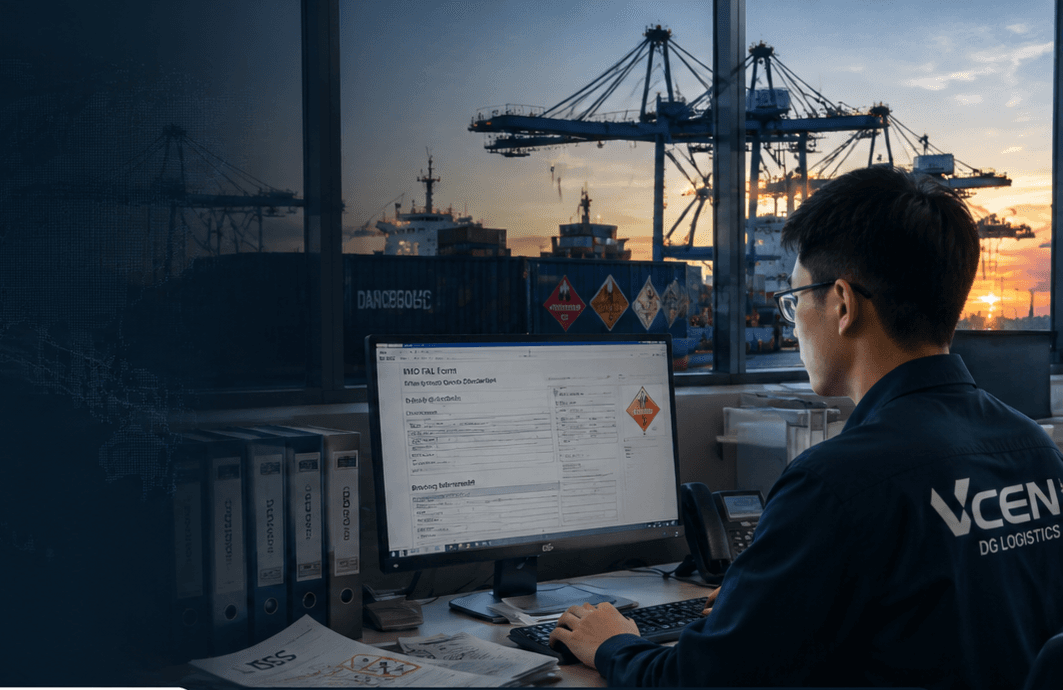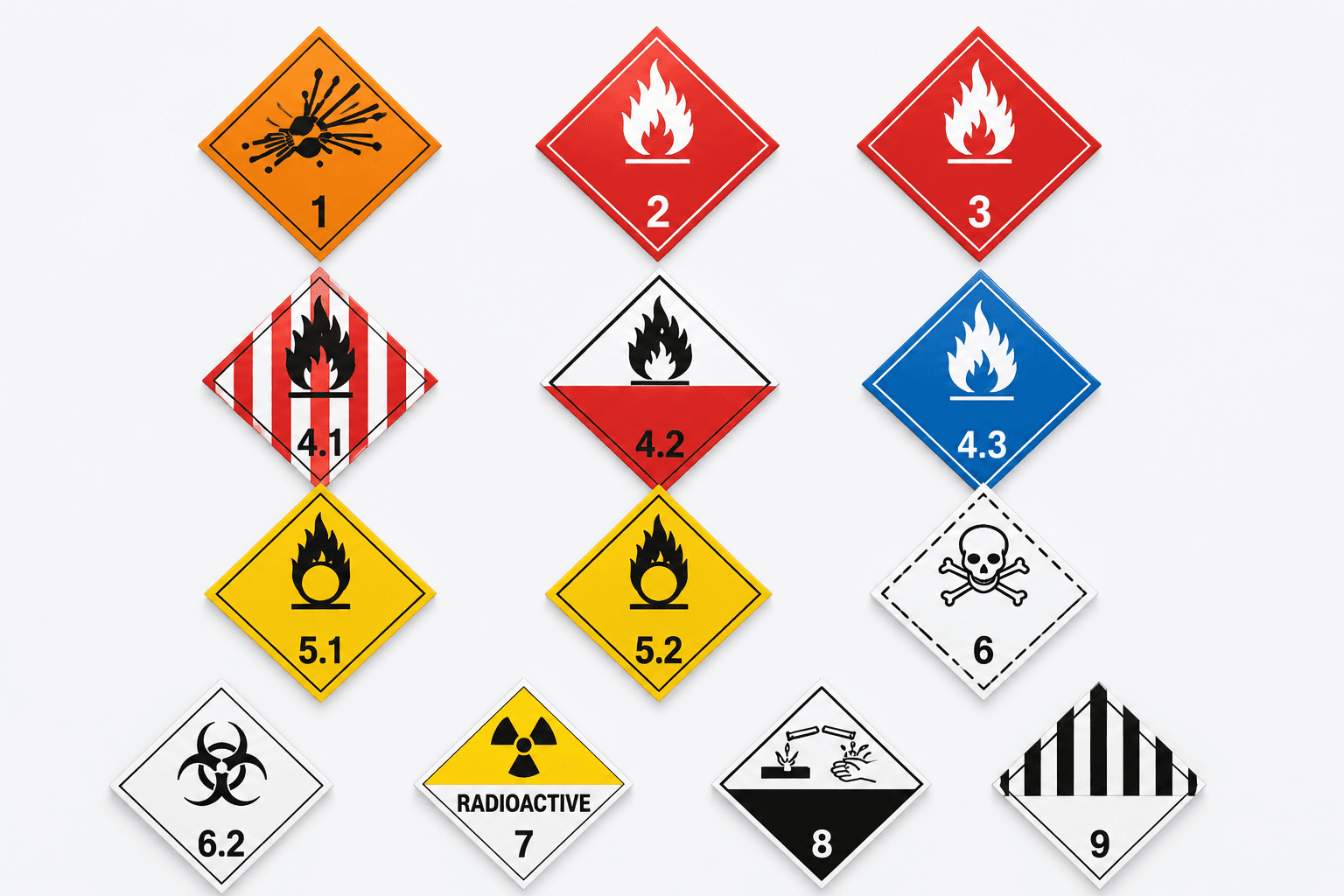
DG booking is not only about space. It is about matching cargo details with carrier, port, route, and declaration requirements.
VCEN note
For dangerous goods export, the answer is rarely based on one document alone. Cargo attributes, packaging, carrier acceptance, port requirements, and declaration documents should be reviewed together before booking.
Why this matters
Dangerous goods export is not a single transport action. Documents, classification, packaging, booking, declaration, and port operations must stay aligned. Any unclear detail can lead to booking rejection, warehouse refusal, or loading delay.
What shippers should prepare first
Start with product name, SDS/MSDS, UN number, hazard class, packaging photos, weight and volume, origin, and destination port. If the cargo involves lithium batteries, aerosols, chemicals, or special equipment, additional reports, transport identification, or packaging documents may be required.
What should be reviewed before shipment
The key is to confirm whether documents are consistent with each other. Transport information in the SDS/MSDS should match booking documents, packaging files, declaration data, and the actual cargo status.
How VCEN helps review the shipment
VCEN first reviews the cargo transport attributes, then checks carrier acceptance, warehouse receiving, trucking, customs, and maritime declaration requirements. The goal is not only to say yes or no, but to explain the issue, identify missing documents, and suggest the next practical step.
Key points
Carrier acceptance varies by route, port, vessel, and hazard class.
Incomplete DG documents are a frequent reason for rejection.
Booking, declaration, warehouse, and trucking timing should be planned together.